Categories
Real Estate Tips, Home Buying, Home SellingPublished April 15, 2026
25 Real Estate Questions Answered (Dickson, TN & Middle Tennessee Home Buyer & Seller Guide)

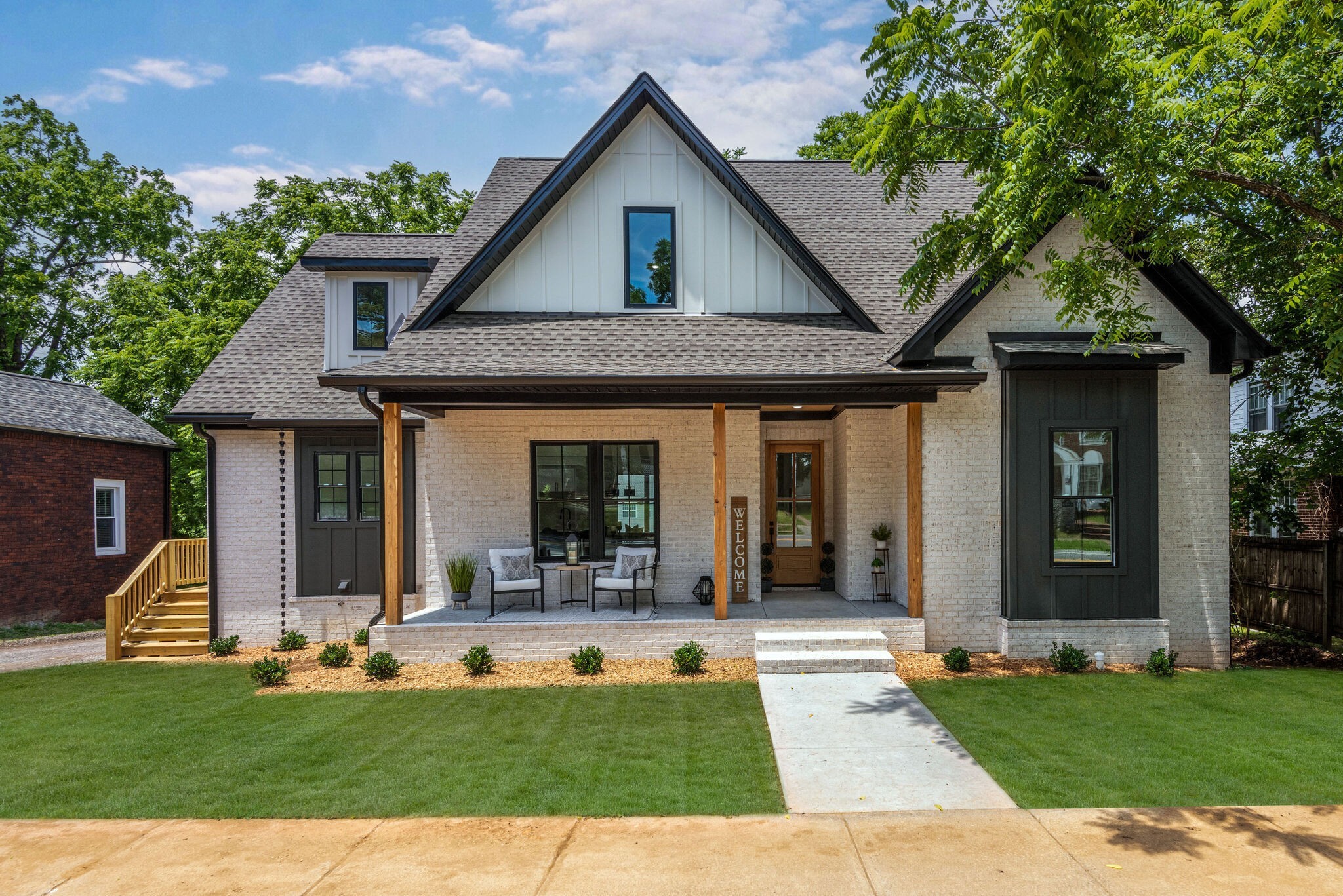
Buying or selling a home in Dickson, Tennessee, or elsewhere in Middle Tennessee requires property-specific answers about financing, value, inspections, offers, closing and moving. These 25 answers provide a reliable starting point, but current lender terms, MLS data, contracts and the facts of the property should determine the final strategy.
Last updated: August 12, 2026
Geographic scope: These answers apply generally to residential real estate in Dickson and surrounding Middle Tennessee markets. Contractual, legal, tax and financing questions should be reviewed by the appropriate licensed professional for the specific transaction.
Local perspective: This guide includes local real estate research and analysis from Harley Pope with Pope Real Estate Group at The Baker Brokerage.
Questions About Buying a Home
1. What should I do before looking at homes?
Establish a comfortable complete housing budget and obtain lender preapproval before touring seriously.
The budget should include:
- Principal and interest
- Property taxes
- Homeowners insurance
- Mortgage insurance when applicable
- Homeowners association fees
- Utilities
- Maintenance
- Commuting costs
- Cash needed for closing and repairs
Then identify the locations, property types and features that support your actual needs. The Middle Tennessee buying guide walks through the complete process.
2. How much money do I need for a down payment?
It depends on the loan program and buyer qualifications. A 20% down payment is not always required.
HUD explains that eligible FHA borrowers may purchase with as little as 3.5% down. Conventional, VA, USDA and state-supported programs have different requirements.
Down payment is only one part of the cash required. Buyers may also need money for closing costs, inspections, appraisal, moving expenses and reserves.
3. Is down-payment assistance available in Tennessee?
Potentially. The Tennessee Housing Development Agency currently advertises Great Choice Plus assistance of up to 5% of the purchase price, with a maximum of $15,000.
Eligibility, approved lenders, education requirements, income limits, purchase-price limits, rates and repayment obligations apply. Compare the assistance option with a loan that does not use assistance before deciding.
4. How does mortgage preapproval work?
A lender reviews your income, assets, credit, debts and proposed loan to estimate what you may qualify to borrow.
Preapproval is not final approval. The property must still qualify, and the lender may require updated documentation throughout the transaction.
Avoid opening credit, financing large purchases, changing jobs or moving undocumented funds before closing without consulting the lender.
5. How do I choose the right Middle Tennessee city?
Start with budget, recurring destinations, acceptable commute and desired property type.
The guide to where to live in Middle Tennessee compares Nashville, Williamson County, Maury County, Dickson County and communities northwest of Nashville.
Choose the city and home together. A great house in the wrong location can create the wrong daily life.
6. How many homes should I view before making an offer?
There is no required number.
Some buyers find a strong option immediately because they prepared carefully. Others need several tours to understand value and refine their priorities.
The goal is not to tour a certain number. It is to understand the property, alternatives, price and risks well enough to make a reasoned decision.
7. What should I look for during a showing?
Look beyond paint, décor and furniture.
Evaluate:
- Location and surrounding properties
- Roof and exterior condition
- Drainage
- Foundation indicators
- Heating and cooling
- Plumbing and electrical systems
- Windows
- Layout and storage
- Lot and topography
- Utilities
- Restrictions
- Parking and access
- Likely maintenance
Cosmetic finishes can change. The road, lot and location generally cannot.
8. How is an offer price determined?
An offer should reflect comparable sales, current competition, property condition, time on market and the buyer’s priorities.
The asking price provides context but does not establish market value by itself. The offer should also account for requested closing costs, repairs, contingencies and other terms affecting the seller’s net proceeds and risk.
9. Is the highest offer always the best offer?
No. Sellers compare the complete contract.
A strong offer may include:
- Reliable financing
- Meaningful earnest money
- Manageable contingencies
- Reasonable deadlines
- Limited seller expenses
- Suitable closing date
- Clear possession terms
- Evidence that the buyer can perform
A higher price can be weakened by concessions, appraisal exposure, financing risk or a difficult sale contingency.
10. Should I have the home inspected?
Buyers should understand the risk of purchasing without appropriate due diligence.
A general home inspection evaluates visible and accessible components but may not cover every concern. Depending on the property, buyers may need septic, well, sewer, structural, roofing, HVAC, electrical, plumbing, termite or other specialist evaluations.
The State of Tennessee licenses home inspectors and provides consumer guidance through its Home Inspector Licensing Program.
11. What is the difference between an inspection and an appraisal?
An inspection helps the buyer understand the property’s condition.
An appraisal generally helps the lender evaluate whether the property supports the loan. It is not a complete condition inspection and should not be treated as a substitute for one.
12. What are closing costs?
Closing costs are expenses associated with financing and completing the purchase.
They may include:
- Lender charges
- Appraisal
- Title services
- Recording fees
- Prepaid taxes
- Insurance
- Escrow deposits
- Other transaction-specific charges
Ask the lender for a detailed estimate based on the proposed loan and purchase price.
13. Can the seller pay my closing costs?
A buyer may request seller-paid costs, subject to negotiation and financing limits.
The seller evaluates the request as part of the complete offer. A $400,000 offer with a $12,000 cost request is financially different from a $400,000 offer without one.
The buyer should confirm which expenses are allowable and how much assistance is actually needed.
Questions About Selling a Home
14. How do I know what my home is worth?
A current market analysis should compare the property with recent sales, pending contracts and active competition.
Relevant differences include location, living area, lot, age, condition, updates, layout, garage, outbuildings, utilities and restrictions.
An online estimate or tax appraisal cannot fully evaluate these factors. The guide to what a Middle Tennessee home is worth explains the process.
15. Is my tax-appraised value the same as market value?
No.
The Tennessee Comptroller explains that county assessors use mass-appraisal methods and periodic reappraisal cycles for taxation. Market value for a current sale depends on current buyers, comparable properties and the home’s specific condition and features.
16. Should I renovate before selling?
Not automatically.
Prioritize repairs and improvements that materially affect buyer confidence, presentation or financing. These often include active leaks, safety issues, deferred maintenance, cleaning, paint, lighting and curb appeal.
A large renovation may cost more than it adds or delay the move unnecessarily. Review the likely return before starting.
17. How should I prepare my home for photographs and showings?
The home should be clean, uncluttered, well-lit and easy to understand.
Focus on:
- Curb appeal
- Repairs
- Deep cleaning
- Decluttering
- Removing excess furniture
- Neutral presentation
- Lighting
- Clear countertops
- Organized storage
- Functional room arrangements
- Exterior spaces
The complete Middle Tennessee home-preparation guide provides a room-by-room framework.
18. Should I price high to leave room for negotiation?
That strategy carries risk.
Buyers may never tour a home they perceive as overpriced. A listing can lose its strongest period of attention and accumulate time on market before the seller adjusts.
Choose the pricing position deliberately based on evidence, competition, timeline and risk tolerance.
19. How long will it take to sell my home?
No one can guarantee the timeline.
It depends on:
- Price
- Condition
- Location
- Competition
- Buyer demand
- Showing access
- Financing
- Marketing
- Contract performance
Days-on-market averages provide context but cannot predict the outcome of one property.
20. What costs should I expect when selling?
Possible costs include:
- Mortgage payoff
- Real estate compensation
- Seller-paid closing costs
- Title-related expenses
- Repairs
- Preparation
- Moving
- Taxes or prorations
- Homeowners association charges
- Other negotiated expenses
Request an estimated net-proceeds sheet before choosing a list price or accepting an offer.
21. Do I have to disclose problems with my home?
Tennessee has residential property-condition disclosure requirements and exemptions. Sellers should complete the applicable documents accurately and consult their real estate or legal professional when unsure.
A disclosure is not a substitute for the buyer’s inspection, but sellers should not conceal known material defects.
22. What should I compare when reviewing offers?
Compare more than price.
Review:
- Estimated net proceeds
- Financing
- Earnest money
- Closing-cost requests
- Inspection terms
- Appraisal risk
- Sale contingency
- Deadlines
- Closing date
- Possession
- Likelihood of completion
The Middle Tennessee selling guide explains the complete process.
Questions About Buying and Selling Together
23. Should I sell before buying another home?
It depends on finances, equity, available housing and risk tolerance.
Possible strategies include:
- Selling first
- Buying with a sale contingency
- Using temporary housing
- Coordinating both closings
- Negotiating possession timing
- Exploring bridge financing
- Buying first when qualifications allow
Plan both sides before listing or making an offer.
24. Can I use the equity in my current home to purchase the next one?
Potentially.
Equity may become available through sale proceeds, a home-equity product, bridge financing or another approved structure. Qualification, timing, costs and risk vary.
Do not assume estimated equity equals usable cash. Subtract the mortgage payoff and expected selling expenses, then review financing with a lender.
25. How do I choose a Realtor for a Middle Tennessee move?
Choose someone who can clearly explain:
- The relevant communities
- Current market evidence
- Pricing or offer strategy
- Contract terms and deadlines
- Communication expectations
- Inspection and appraisal risk
- Sell-and-buy coordination
- Marketing
- Negotiation
- What happens when the plan changes
The right relationship should make the process more understandable, organized and strategic.
About Harley Pope
Harley Pope is a Middle Tennessee Realtor with Pope Real Estate Group at The Baker Brokerage. Harley and Victoria Pope help buyers, sellers and relocating clients throughout Dickson County, communities west of Nashville and surrounding markets understand their options and coordinate each stage of a move.
Have a Question About Your Specific Situation?
General answers provide a starting point, but your property, financing and timeline may change the strategy. Talk with Harley and Victoria Pope for a property-specific conversation through Pope Real Estate Group at The Baker Brokerage.

Brandon Baker
Business Development & Consulting | Brandon Baker | The Baker Brokerage LLC
or another way