
Categories
Real Estate, Middle Tennessee Real Estate, Nashville TNPublished April 17, 2026
Living in Nashville, TN: What to Know Before Buying or Selling a Home

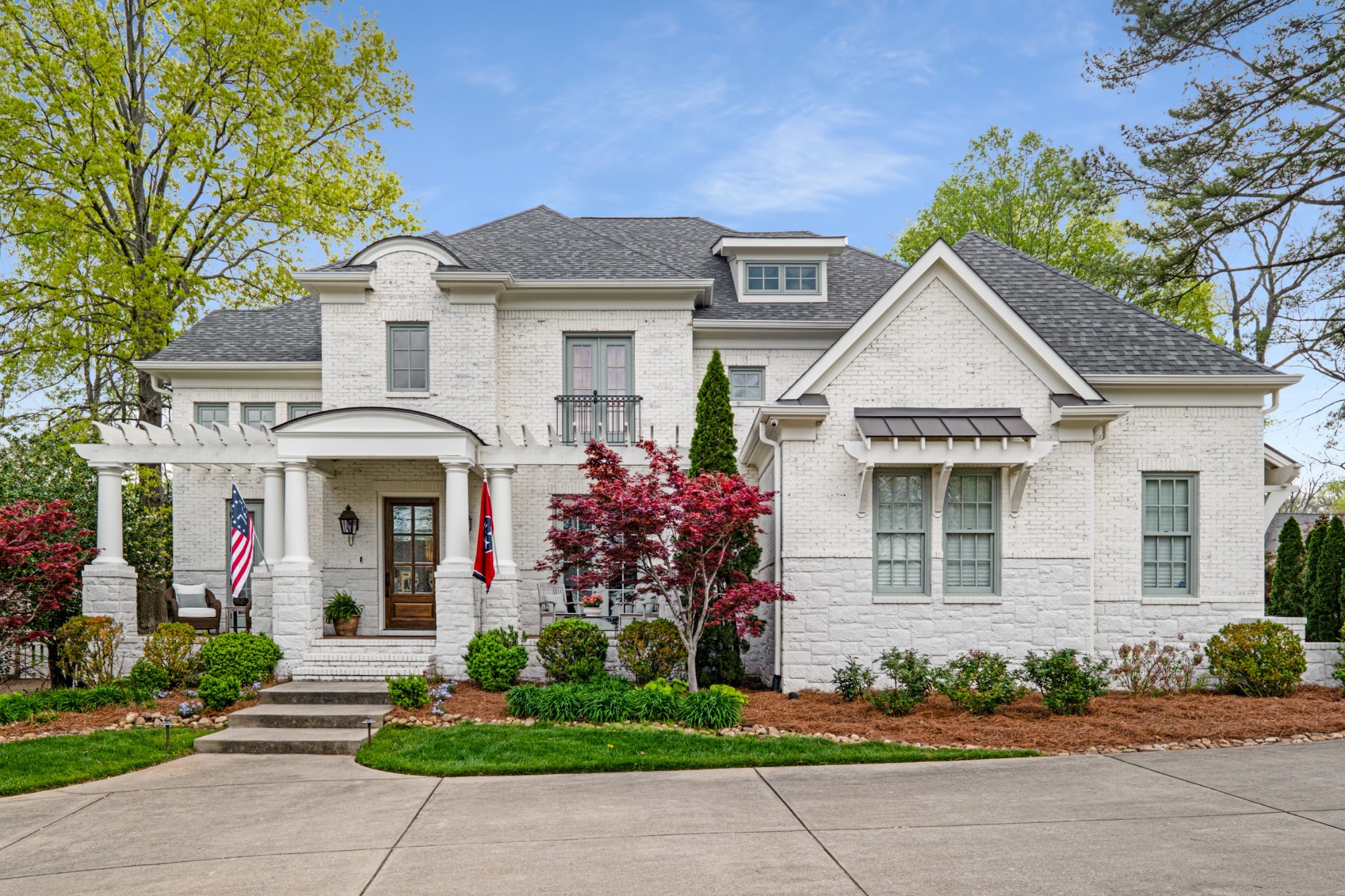
Nashville offers the region’s widest mixture of neighborhoods, housing types, employment centers and entertainment options. That variety also makes citywide averages less useful than neighborhood-level research. Buyers should choose the daily routine first and then identify the homes and locations that support it within a comfortable total monthly payment.
Last updated: August 12, 2026
Local perspective: Harley Pope helps buyers and sellers compare Nashville neighborhoods with Brentwood, Franklin, Dickson County and other Middle Tennessee alternatives based on actual properties and everyday priorities.
Understanding the Nashville Housing Market
“Nashville” can refer to the city, Davidson County, the metropolitan area or a mailing address. This article focuses on residential real estate within Nashville and Davidson County, while recognizing that individual neighborhoods function as distinct submarkets.
Housing options include:
- Downtown condominiums
- Urban townhomes
- Historic houses
- Mid-century homes
- Established subdivisions
- New construction
- Luxury properties
- Duplexes and other multi-unit properties
- Homes with larger lots near the county’s edges
A buyer comparing two Nashville properties may encounter completely different surroundings, commutes, parking arrangements and ownership costs.
For a regional view, begin with the guide to where to live in Middle Tennessee.
Current Nashville Home Prices
According to Redfin’s Nashville housing-market data, the median sale price for all home types was approximately $479,689 during the three months ending June 2026. The median price per square foot was approximately $275, and homes averaged 61 days on the market.
These citywide figures combine many property types and locations. They should not be used to estimate a particular home’s value or assume what a budget will purchase in every neighborhood.
A downtown condominium, renovated historic home and suburban single-family property may have little in common despite all being included in Nashville’s statistics.
How to Choose a Nashville Neighborhood
Instead of beginning with a list of supposedly “best” neighborhoods, define the life the home needs to support.
Consider:
- Workplace and expected commute
- Housing budget
- Detached home, townhome or condominium
- Yard and maintenance preferences
- Parking needs
- Access to entertainment or outdoor recreation
- Airport access
- Frequency of travel outside Nashville
- HOA fees and restrictions
- Renovation tolerance
A popular ZIP code is not automatically the right fit. The goal is to buy the life the property makes possible, not simply the location’s reputation.
The Middle Tennessee city-selection guide provides a framework for making that decision.
Urban, Suburban and Residential Options
Urban Nashville
Downtown and nearby urban neighborhoods may provide shorter distances to entertainment, restaurants and certain employment centers. Housing can include condominiums, townhomes, renovated older properties and dense new construction.
Potential tradeoffs include:
- Higher price per square foot
- Smaller yards
- Parking limitations
- HOA fees
- Event activity
- Construction
- Short-term rental rules
- Greater variation from one block to another
Established Residential Areas
Many Nashville neighborhoods offer detached homes, mature trees and established streets. Older construction can provide architectural character but may require updates to roofs, plumbing, electrical systems, insulation or drainage.
Davidson County’s Outer Areas
Homes farther from downtown may provide more space or lower prices, but commute routes and access to services vary. A Nashville address does not guarantee a short downtown commute.
Transportation and Commuting
Nashville traffic is highly dependent on direction, time and destination. Living close to downtown may not be the most practical choice if daily travel is toward Franklin, Brentwood, the airport or another regional employment center.
Test routes to:
- Work
- Schools or childcare when applicable
- Groceries and regular services
- Medical providers
- The airport
- Frequently visited relatives or activities
Nashville’s transportation system includes WeGo public transit, road improvements, sidewalks, bikeways and greenway connections. The city’s ongoing transportation planning may change infrastructure over time, but buyers should evaluate what is available today.
Parks, Greenways and Outdoor Access
Metro Nashville maintains parks, community centers and greenways across Davidson County. The city describes greenways as linear parks and trails connecting destinations while following rivers, streams and other corridors.
The Metro Greenways information can help buyers identify public trails near a prospective home.
Access should be verified at the neighborhood level. A property may appear close to a greenway without having a practical nearby entrance.
Condominiums and Townhomes
Attached housing can provide access to central locations with less exterior maintenance, but buyers must review:
- HOA dues
- Reserve funding
- Insurance responsibilities
- Pending assessments
- Rental restrictions
- Pet and parking rules
- Litigation
- Maintenance history
- Financing eligibility
A low purchase price can be offset by high monthly dues or a future special assessment. Obtain and review the association documents during the contractual period.
What Nashville Buyers Should Know
Before purchasing, investigate:
- Neighborhood-level comparable sales
- Commute routes
- Flood information
- Zoning and nearby development
- Short-term rental regulations
- Parking
- Property condition
- HOA documents
- Renovation permits
- Taxes and insurance
- Resale competition
Buyers new to the process can use the step-by-step Middle Tennessee home-buying guide.
Relocating households should also review what buyers should know before moving to Middle Tennessee.
What Nashville Sellers Should Know
Nashville sellers compete within a neighborhood and property category, not with the entire city. A downtown condominium requires a different strategy from a detached home in an established subdivision.
Important factors include:
- Active competing listings
- Recent neighborhood sales
- New construction
- Property condition
- Parking and outdoor space
- HOA costs
- Buyer incentives offered by builders
- Renovation quality
- Time on market in the relevant price range
Sellers should avoid basing price on headlines about Nashville appreciation or a neighboring home that was materially different.
The Middle Tennessee home-selling guide explains pricing, preparation, marketing and negotiations.
Nashville vs. Nearby Communities
Nashville may provide the strongest access to urban employment and entertainment. Nearby communities can offer different tradeoffs:
- Brentwood: larger homes and a suburban Williamson County location at a higher typical price
- Franklin: historic downtown, subdivisions and Williamson County employment access
- Fairview: western Williamson County with more distance from central Nashville
- White Bluff: smaller-town Dickson County options west of Nashville
- Ashland City: Cheatham County and Cumberland River access northwest of Nashville
The better choice depends on where you need to go and what you want the home to provide.
Frequently Asked Questions About Nashville
Is Nashville one housing market?
No. Neighborhoods and property types have significantly different prices, competition and buyer expectations.
Is living downtown the best way to avoid traffic?
Not necessarily. The best location depends on the destinations you visit regularly.
Does Nashville have homes with larger lots?
Yes, particularly farther from the urban core. Larger lots can involve additional maintenance, septic systems or longer drives.
Are Nashville condominiums less expensive than houses?
Some have lower purchase prices, but HOA dues, assessments and insurance responsibilities must be included in the comparison.
Does Nashville have public transportation?
Yes. WeGo operates public transit, but service and convenience vary by route and destination.
What should I inspect in an older Nashville home?
Pay particular attention to the foundation, drainage, electrical system, plumbing, roof, HVAC and previous renovation work.
Should I buy in Nashville or a suburb?
Choose based on the actual home, commute, monthly cost and desired daily routine. A suburb is not automatically less expensive or more convenient.
About Harley Pope
Harley Pope is a Middle Tennessee real estate professional with Pope Real Estate Group at The Baker Brokerage. Harley and Victoria Pope help clients compare Nashville with surrounding communities using current market evidence and the practical lifestyle each property can support.
If you are considering a Nashville home or a nearby alternative, connect with Harley for a personalized comparison.

Brandon Baker
Business Development & Consulting | Brandon Baker | The Baker Brokerage LLC
or another way